
Building your dream home, renovating an existing property, or starting a commercial construction project often requires substantial financing. This is where construction loans come in. Whether you’re a first-time homebuyer or a seasoned investor, understanding the ins and outs of construction loans is essential to making your building plans a reality.
We’ll explore construction loans, their requirements, how they work, the application process, and much more. If you’re considering a construction loan, understanding these aspects will help you make the right choice for your financial future. For more information, you can always reach out to Cambridge Home Loan, where we’ve been assisting clients with construction financing since 1998.
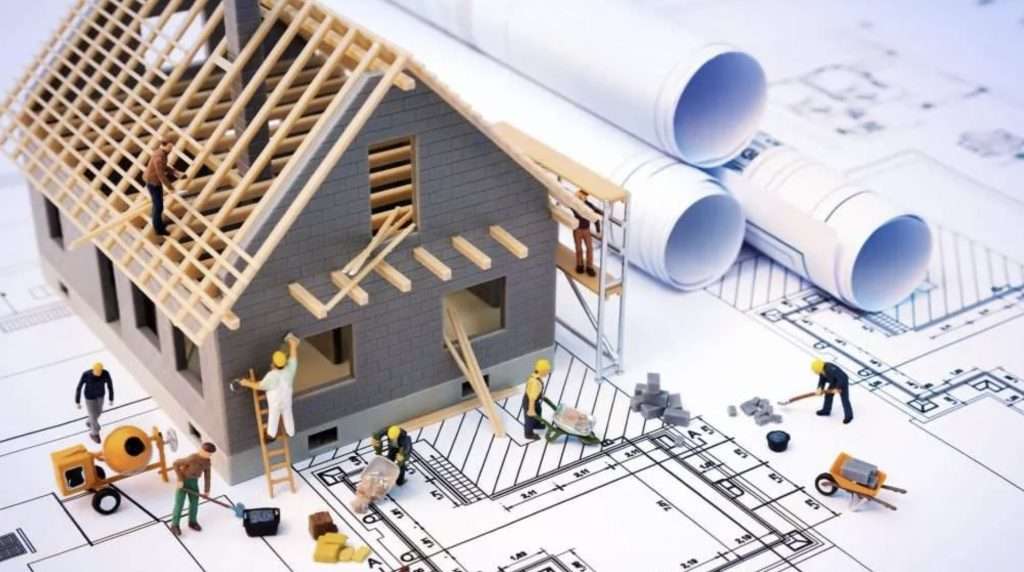
What Are Construction Loans?
Definition of Construction Loans
A construction loan is a short-term loan designed to finance the building of a new home or a major renovation project. Unlike traditional mortgages, which are used to purchase an existing home, a construction loan is meant to cover the costs of building a property from the ground up or making significant improvements. The loan is typically paid out in installments as the project progresses, and it’s important to understand how these loans differ from other forms of financing.
How Do Construction Loans Work?
A construction loan works by providing the borrower with funds to cover the expenses associated with the construction process. The loan is disbursed in a series of “draws” based on the completion of different stages of the project. For example, one draw might cover the foundation, while another may cover framing or roofing. Typically, you’ll only pay interest on the amounts disbursed, not the entire loan amount, during the construction phase.
Once the construction is complete, the loan must either be repaid or converted into a permanent mortgage. This can happen through a construction-to-permanent loan, which automatically turns into a traditional mortgage once the building is finished.
Construction Loan vs Traditional Mortgage
| FEATURE | CONSTRUCTION LONA | TRADITIONAL MORTGAGE |
|---|---|---|
|
Disbursement Of Funds |
Funded in phases as completed. |
Funded At Close |
|
Payment Schedule |
Payments are typically interest-only during the construction phase, with full payments beginning after the project is completed. |
Monthly payments include both principal and interest, starting immediately after closing. |
|
Loan Term |
Short-term loan (usually 12 months to 2 years) until construction is complete, after which it may convert to a permanent mortgage. |
Long-term loan (15, 20, 30 years) for the purchase of an existing home.
|
|
Interest Rate |
Typically higher due to increased risk (4% – 7%, depending on credit and market conditions). |
Generally lower, as it is considered less risky (e.g., 3% – 5% for a standard fixed-rate mortgage).
|
|
Down Payment Requirement
|
Usually higher (10% – 20% of the total construction cost, including land).
|
Typically lower (3% – 20% of the home purchase price, depending on the loan type).
|
|
Appraisal
|
Based on the projected value of the completed home or project after construction is finished.
|
Based on the current as is market value of the property .
|
|
Closing Process
|
More complex, requiring detailed construction plans, permits, and contractor information. |
More straightforward. |
|
Approval Process
|
Typically more stringent; lenders evaluate creditworthiness, financial ability, project details, and builder qualifications.
|
Lenders assess credit score, income, and existing debt (but no need for construction plans or contractor vetting).
|
|
Loan Conversion |
Loan Can be converted into a permanent mortgage after construction (e.g., construction-to-permanent loan). |
Does not require conversion; the loan is already a permanent mortgage.
|
|
Risk
|
Higher risk for lenders due to the uncertainty of project completion, potential cost overruns, and construction delays. |
Lower risk, as the home is already built and its value is more predictable.
|
Do You Need a Down Payment for a Construction Loan?
Yes, construction loans typically require a down payment. However, the exact amount can vary based on the lender, the type of loan, and your creditworthiness. Down payments for construction loans are usually higher than for traditional mortgages, with amounts ranging from 10% to 20% of the total loan value. This means that, in some cases, you may need to have more cash on hand compared to buying an existing home.
What Costs Are Covered by a Construction Loan?
A construction loan can cover a wide range of costs related to building a home or renovating an existing property. Some of the typical expenses that a construction loan can cover include:
- Land costs: If you don’t already own the land, the cost of purchasing it can be covered by the loan.
-
- Materials and labor: Construction materials like concrete, wood, and steel, as well as labor costs for contractors and workers.
-
- Permits and fees: Expenses related to securing building permits, inspections, and other necessary regulatory fees.
-
- Architectural and design fees: If you hire architects, designers, or engineers, those costs can be included.
-
- Construction equipment: The cost of renting or purchasing construction equipment.
Essentially, anything directly related to the construction process can be financed through a construction loan.
Types of Construction Loans
There are several types of construction loans, each suited to different types of projects. Understanding which one is right for you can help streamline the process and make financing easier.
Construction-Only Loan
A construction-only loan is a short-term loan that covers the cost of building a home or completing a project. Once the construction is completed, the loan must be paid off in full or refinanced into a traditional mortgage. This type of loan is typically ideal for those who have the financial capacity to pay off the loan in a lump sum or who plan to secure separate permanent financing after the construction is complete.
Construction-to-Permanent Loan
A construction-to-permanent loan combines the construction loan and the mortgage into one package. With this option, you receive funding for both the building phase and the permanent mortgage once construction is finished. This type of loan is popular because it simplifies the process, as you only need to apply once for both the construction and the permanent mortgage.
Renovation Loan
If you’re not building a new home but renovating an existing property, a renovation loan is a great option. These loans are designed to finance home improvements, including major structural work like adding rooms, updating electrical systems, or remodeling kitchens and bathrooms. FHA 203(k) loans are an example of renovation loans that help homeowners pay for both the purchase and renovation costs of a home.
Owner-Builder Loan
An owner-builder loan is available to people who intend to act as the general contractor on their own construction project. If you have the skills and knowledge to manage the building process, you can take out an owner-builder loan to finance your project. Keep in mind that these loans can be harder to qualify for, as lenders view owner-builders as higher risk due to the lack of professional oversight.
End Loan
An end loan is a permanent mortgage that you obtain after completing your construction project. This type of loan is commonly used in combination with a construction-only loan. Once your building is complete, you can convert the construction loan into an end loan, which allows you to secure long-term financing and begin making regular mortgage payments.
Land Loan
A land loan is used to finance the purchase of land where you plan to build your home. This is a common step before applying for a construction loan, as many lenders will not approve a construction loan unless you already own the land. In some cases, you may be able to bundle your land purchase and construction financing into one loan.
Construction Loan Requirements
Before you can apply for a construction loan, you must meet certain requirements. Understanding these requirements will help you prepare for the loan application process.
How to Qualify for a Construction Loan
To qualify for a construction loan, lenders will typically assess your:
-
- Credit score: A good credit score is important. Lenders usually require a minimum score of 620 or higher, though some may have stricter requirements.
-
- Income and debt-to-income ratio: Lenders want to ensure you can afford both the construction payments and the future mortgage payments. Your debt-to-income ratio (DTI) should generally be under 45% to qualify.
-
- Down payment: As mentioned earlier, construction loans often require a down payment of 10-20% of the total loan value.
-
- Builder qualifications: If you’re hiring a contractor, they must be licensed and insured. Some lenders may even require a detailed plan of the project.
What Documents Are Needed for a Construction Loan?
When applying for a construction loan, you’ll need to submit several key documents, including:
-
- Personal identification (e.g., driver’s license or passport)
-
- Proof of income (e.g., pay stubs, tax returns)
-
- A detailed construction plan and budget
-
- A contractor agreement if you’re hiring a builder
-
- Land or property ownership documents (if applicable)
Having these documents prepared will streamline the approval process and help ensure a smooth application.
Minimum Credit Score for a Construction Loan
The minimum FICO score required for a construction loan is typically around 620, but a higher score can improve your chances of approval and secure better interest rates. Keep in mind that if you’re planning to apply for an FHA construction loan or a government-backed loan, the credit score requirements may be more flexible.
Down Payment Requirements for Construction Loans
Most construction loans require a down payment of at least 10%, and it can go up to 20% or more, depending on the lender and the loan type. The down payment amount is based on the total cost of the project, including land costs, materials, and labor.
What’s the Maximum Loan Amount for a Construction Loan?
The maximum loan amount for a construction loan depends on several factors, including your creditworthiness, the value of the land, and the estimated cost of the construction project. Lenders may offer up to 95% of the total construction cost, but this can vary by lender.
Construction Loan Application Process
How to Apply for a Construction Loan
Applying for a construction loan involves several steps:
-
- Assess your needs: Determine the total cost of your construction project, including land, labor, materials, and permits.
-
- Gather necessary documents: Be prepared with all the documentation mentioned above.
-
- Choose a lender: Look for a lender with experience in construction loans. Reach out to Cambridge Home Loan for expert advice and competitive rates.
-
- Submit your application: Fill out the application and submit all required documents.
How Long Does It Take to Get Approved for a Construction Loan?
Approval for a construction loan can take longer than a traditional mortgage. Expect a processing time of 30 to 60 days, depending on the lender’s requirements, the complexity of the project, and the approval process.
Construction Loan Approval Process
The approval process for construction loans involves evaluating your creditworthiness, assessing the construction project’s plans and costs, and reviewing your financial ability to repay the loan. The lender may also require an appraisal of the land and a review of contractor bids.
How to Draw Money from a Construction Loan?
During the construction phase, funds are disbursed in stages or “draws” based on the completion of certain project milestones. You will need to submit a request for funds to your lender, and they may require an inspection before releasing money for the next phase of construction.
Construction Loan Rates and Terms
Understanding construction loan rates and terms is crucial for planning your project’s budget and long-term financing.
What Are Construction Loan Interest Rates?
Interest rates on construction loans tend to be higher than those on traditional mortgages due to the increased risk. Rates typically range from 4% to 7%, depending on your credit score, the loan amount, and the lender’s terms. If you’re opting for an interest-only payment plan during the construction phase, keep in mind that your interest payments may fluctuate as the amount disbursed changes.
How to Find the Best Construction Loan Rates
To secure the best construction loan rates, shop around and compare offers from multiple lenders. Factors like your credit score, loan amount, and project type will influence the rates you receive. Working with a lender like Cambridge Home Loan can help you explore multiple financing options to ensure you get the best deal.
What Are Construction Loan Closing Costs?
Closing costs for a construction loan can vary but generally range from 2% to 5% of the loan amount. These costs include lender fees, appraisal fees, title insurance, and any other costs associated with securing the loan. Make sure to budget for these costs when planning your project.
Are Construction Loan Rates Higher Than Regular Mortgages?
Yes, construction loan rates are typically higher than traditional mortgage rates. This is because construction loans are considered riskier by lenders. Since the property is not yet built, there’s more uncertainty surrounding its value and the completion timeline.
Managing Your Construction Loan
Once you’ve secured a construction loan, it’s important to manage it carefully to stay within your budget and timeline.
How to Manage Your Construction Loan Budget
Managing a construction loan budget involves keeping track of all project expenses and staying within the limits set by the lender. It’s important to regularly check with your contractor to ensure the project stays on schedule and doesn’t exceed your estimated costs.
What Happens if Your Construction Project Goes Over Budget?
If your construction project exceeds the budget, you may need to secure additional funding, either through a construction loan refinance or by tapping into your personal savings. However, it’s crucial to plan for contingencies and ensure your project is adequately funded from the outset.
How Does a Construction Loan Impact Your Home’s Appraisal?
A construction loan impacts your home’s appraisal because the property is still under construction. The appraised value of the home will generally be based on its expected value once completed. If the construction is delayed or costs escalate, it could impact the final appraisal value and the total amount of financing you’re eligible to receive.
Post-Construction Loan Options
Once your construction project is complete, you’ll have several options for transitioning from the construction loan phase to permanent financing.
Can You Convert a Construction Loan to a Mortgage?
Yes, if you’ve taken out a construction-to-permanent loan, the construction loan automatically converts into a permanent mortgage once the project is complete. This means you’ll start making regular mortgage payments instead of interest-only payments.
What Are the Pros and Cons of Construction Loans?
Pros of construction loans include the ability to finance new construction or renovations, flexible loan terms, and the option to convert to a permanent mortgage. However, construction loans also come with higher interest rates, stricter requirements, and a more complex approval process.
Can You Refinance a Construction Loan?
Yes, once your construction project is complete, you can refinance your construction loan into a traditional mortgage. This is commonly done through a construction-to-permanent loan, but you can also refinance separately if you need to change the loan terms.
What Happens if Your Construction Project Takes Longer Than Expected?
If your construction project runs over schedule, you may face additional costs, such as higher interest payments or penalties. It’s important to maintain a clear line of communication with your contractor and lender to address any delays promptly.
Construction Loan Financing for First-Time Homebuilders
First-Time Homebuyer Construction Loan
As a first-time homebuyer, applying for a construction loan can feel intimidating, but there are programs designed to help you succeed. Some options, like the FHA construction loan, are specifically geared toward first-time builders.
First-Time Builder Loan Requirements
First-time builders should expect to meet the same requirements as other applicants, including good credit, a down payment, and a solid construction plan. However, first-time builder loans may offer more flexible terms to help ease the financial burden.
How to Get a Construction Loan for Your First Home
If you’re building your first home, working with a lender like CambridgeHomeLoan can help you navigate the process. They can assist you with selecting the right loan type, gathering necessary documents, and ensuring a smooth application process.
FAQs
How Much Can I Borrow With a Construction Loan?
The amount you can borrow depends on the scope of your project and the value of the property. Lenders typically offer 80-90% of the total construction cost.
Is It Hard to Get a Construction Loan?
Construction loans can be harder to get than traditional mortgages due to the additional risk involved. However, with the right documentation and a solid project plan, you can increase your chances of approval.
What Are the Requirements for First-Time Homebuyers?
For first-time homebuyers, construction loans may require a higher down payment and more documentation. But there are special programs available that can make the process easier.
When Do You Pay Closing Costs on a Construction Loan?
Closing costs are typically paid at the time of loan closing, before the first draw is disbursed for construction.
Can You Use Land as Collateral for a Construction Loan?
Yes, land can often be used as collateral for a construction loan if you own it outright or have significant equity in it.
How Much Do You Have to Put Down for a Construction Loan?
The down payment for a construction loan is typically between 10% and 20% of the total project cost.
What Happens if I Don’t Complete My Construction Project?
If you don’t complete your construction project, you may be required to repay the loan immediately, potentially facing foreclosure if you can’t make the payments.
Conclusion
Construction loans are an essential tool for anyone looking to build or renovate a home or commercial property. Whether you’re building your dream home or flipping an investment property, understanding the requirements, rates, and application process will set you up for success. At Cambridge Home Loan, we specialize in construction financing and can help guide you through every step of the process. Don’t let the complexities of construction loans hold you back—reach out to us today for personalized service and expert advice!